


Loans play a major role in the financial lives of individuals in the United States, especially vehicle loans and credit card loans. These two credit options are widely used for transportation needs, daily expenses, emergencies, and lifestyle upgrades. Understanding how they work, their interest rates, and associated fees is essential to avoid long-term debt problems.
A vehicle loan (also called an auto loan) is a secured loan used to purchase new or used cars, motorcycles, or other vehicles. The vehicle itself acts as collateral, which usually allows lenders to offer lower interest rates compared to unsecured loans.
In contrast, a credit card loan refers to borrowing money through a credit card, either by carrying a balance, using cash advances, or converting purchases into monthly installments. Credit card loans are unsecured and typically come with higher interest rates.
Vehicle loans in the USA are offered by banks, credit unions, online lenders, and car dealerships. Many buyers choose dealership financing for convenience, while others prefer banks or credit unions for better rates and transparency.
Before applying for a vehicle loan, lenders evaluate credit score, income, employment stability, and debt-to-income ratio. Borrowers with strong credit profiles usually qualify for the lowest interest rates and flexible repayment terms.

Vehicle loan interest rates in the USA vary depending on whether the car is new or used, loan tenure, and credit score. New cars usually have lower rates than used vehicles due to lower risk for lenders.
Typical vehicle loan interest rate ranges include:
-
Excellent credit: 4% – 6% APR
-
Good credit: 6% – 9% APR
-
Fair credit: 9% – 14% APR
-
Poor credit: 14% – 20%+ APR
Loan terms for vehicle loans usually range from 36 to 84 months. Longer tenures reduce monthly payments but increase the total interest paid over time.
Vehicle loans may include fees and additional costs that borrowers should understand clearly:
-
Loan origination or processing fee
-
Documentation fee (dealer-related)
-
Late payment fee
-
Prepayment penalty (rare but possible)
One advantage of vehicle loans is predictable monthly payments, which makes budgeting easier. However, missing payments can result in penalties or even vehicle repossession.
Now let’s understand credit card loans, which are one of the most common forms of borrowing in the USA. Credit cards allow users to borrow money up to a fixed credit limit and repay it monthly, either partially or in full.
Unlike vehicle loans, credit card loans have variable interest rates, which can change based on market conditions and borrower creditworthiness. Interest is charged if the balance is not paid in full by the due date.
Typical credit card interest rate (APR) ranges in the USA include:
-
Excellent credit: 15% – 20% APR
-
Good credit: 18% – 24% APR
-
Fair credit: 24% – 30% APR
-
Poor credit: 30% – 36% APR
Credit card loans can be used in multiple ways, including everyday purchases, balance transfers, and cash advances. Each type of usage may have different interest rates and fees.
Common credit card fees in the USA include:
-
Annual fee (some cards have $0 annual fee)
-
Late payment fee
-
Cash advance fee (3%–5%)
-
Balance transfer fee (3%–5%)
-
Foreign transaction fee
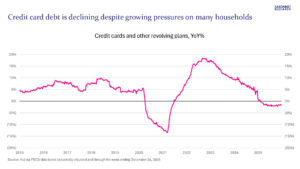
One of the biggest risks with credit card loans is minimum payment behavior. Paying only the minimum amount each month can keep you in debt for years and significantly increase total interest paid.
Credit cards also offer benefits and rewards, such as cashback, travel points, fraud protection, and purchase insurance. When used responsibly, these benefits can add real value.
Vehicle loans are best suited for large, planned purchases, such as buying a car for work or family needs. Credit card loans are better for short-term expenses or emergencies when paid off quickly.
Another key difference is impact on credit score. Both vehicle loans and credit cards affect your credit profile. On-time payments improve credit scores, while late payments damage them.
Vehicle loans help build installment credit history, while credit cards build revolving credit history. A healthy mix of both types of credit improves overall creditworthiness.
Borrowers should compare lenders carefully before choosing a vehicle loan. Comparing APR, loan tenure, down payment requirements, and total loan cost can save thousands of dollars over time.
For credit cards, choosing the right card based on usage is essential. Some cards are better for low interest, while others are designed for rewards, balance transfers, or rebuilding credit.
Many Americans use credit card balance transfer offers to convert high-interest debt into lower-interest installment payments. While useful, these offers often include transfer fees and limited promotional periods.

In times of financial stress, vehicle loans are harder to manage due to fixed monthly payments, while credit cards offer flexibility—but at a higher cost. Responsible usage is key in both cases.
Technology has made borrowing easier through online loan applications, instant approvals, and digital account management. However, ease of access also increases the risk of over-borrowing.
Financial experts recommend using vehicle loans only when necessary and treating credit cards as a payment tool rather than long-term debt. This approach minimizes interest costs and financial stress.
In conclusion, vehicle loans and credit card loans in the USA serve different financial needs. Vehicle loans offer lower interest rates and structured repayment, while credit card loans provide flexibility at a higher cost. By understanding interest rates, fees, and responsible usage, borrowers can make smarter financial decisions and maintain long-term financial health.